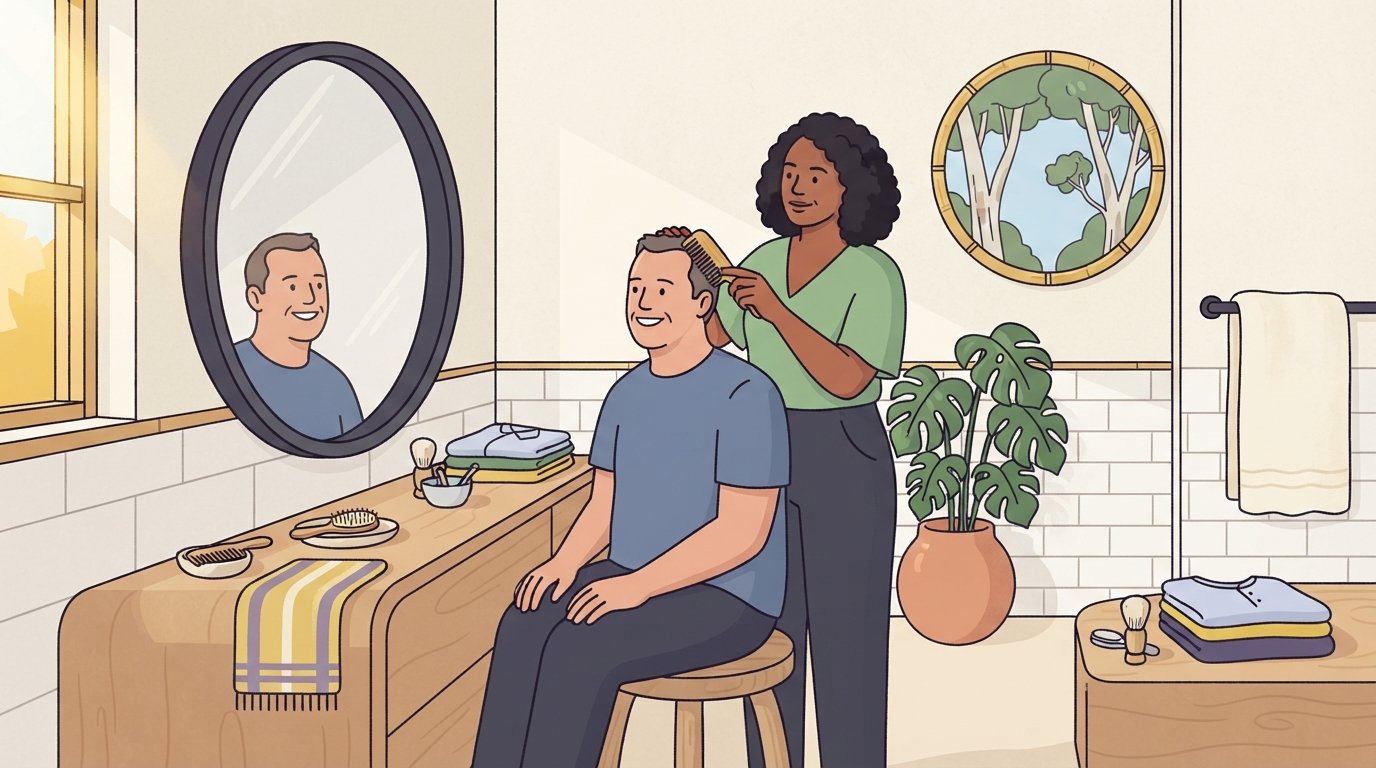
NDIS personal grooming assistance may be funded when your disability means you need help with everyday self-care, the support meets NDIS funding criteria and it is included in your plan. This may cover practical tasks such as washing and drying your hair, shaving, oral hygiene and getting dressed. Personal care support is typically included under Core Supports, in Assistance with Daily Life.
If you’re unsure whether grooming help counts as personal care, that’s a fair question. The NDIS distinguishes disability-related hygiene support from cosmetic or beauty treatments, so understanding what may fit can make planning clearer.
This guide explains who may access support, which grooming tasks may be covered and how your plan affects the help you can use. It also outlines what to consider when arranging personal care, so you can take your next step with a clearer sense of what may suit your needs.
Key Takeaways
- Personal care may be funded when you need help with daily self-care because of your disability and the support meets NDIS criteria.
- Shaving, hair care and other everyday hygiene tasks may fit personal care, while cosmetic treatments are treated differently.
- Toileting and continence assistance can be part of support with daily living, shaped around your needs and routine.
- Your plan and funding arrangements affect how you access support, so identify the relevant daily living supports before making arrangements.
- In-home personal care can help you with everyday routines while keeping your preferences and dignity at the centre.
Do I Qualify For Personal Care Services Under the NDIS?
You may qualify for personal care when your disability means you need help with daily self-care. NDIS funding may cover support when it relates to your disability and meets funding criteria, including being reasonable and necessary for your needs and goals. For example, if limited hand movement makes shaving difficult, help with that task may fit personal care.
NDIS personal grooming assistance may include shaving, hair care, oral hygiene and skincare, as well as washing and drying your hair. Depending on what you can do independently and the help your routine requires, a support worker can provide hands-on assistance or supervision.
Can NDIS funding cover grooming at home, at a salon or while travelling? Support may be delivered at home or during community activities, such as attending an appointment. Funding relates to disability support, not automatically to salon services or travel costs.
Can NDIS funding cover haircuts, shaving, nail care and skincare? Shaving, hair washing and drying, and help with personal hygiene may be covered when they meet your individual funding criteria. Nail cutting and cleaning may count as hygiene support, but haircuts and cosmetic nail treatments are not funded as personal hygiene supports.
The time of day can affect how support fits your routine. You might need help washing your hair before work, shaving in the morning or completing oral hygiene before bed. A tailored plan can set out which activities you need help with and when, rather than treating every task the same way.
Personal care may sit alongside other NDIS supports. For example, you might receive grooming help at home and separate assistance to attend a community activity. Assistive technology may also make some personal care tasks easier or safer, depending on your needs.
Choose a provider whose workers are suitable for personal care and hold the required clearance. NDIS personal care workers must have a current NDIS Worker Screening Check. Before support begins, explain the tasks you need help with, your preferred routine, and how you want workers to respect your privacy and choices.
How can participants challenge an NDIS decision about grooming assistance? Ask the NDIA for the reasons behind the decision, then provide information showing how the support relates to your disability, daily activities and goals. You can request a review through the NDIS decision review process and include relevant details about tasks you cannot manage independently.
Toileting and continence support
Toileting and continence support can help you manage daily routines with greater independence. Depending on your needs, personal care may include help using the toilet, managing continence aids or changing clothes after an episode of incontinence. A worker can also support related activities, such as dressing and bathing, while respecting your privacy and choices.
These supports are typically included in Core Supports under Assistance with Daily Life, which can fund help with everyday activities. Your support needs, disability-related requirements and plan determine which activities are funded and how assistance fits alongside other supports.
What are the current NDIS price limits for personal care and grooming support? The limits are set out in the NDIS Pricing Arrangements and Price Limits, and vary according to the support type, time and day. The applicable limit depends on the relevant pricing category and timing.
Weekend and public holiday support depends on the service arrangements and the relevant NDIS price limit for that day. When arranging a schedule, discuss the routine you need, such as morning toileting support on a weekend. A plan’s funding does not itself set a worker’s roster or confirm a particular time.
Choosing a support worker is personal, especially for intimate care. Share your preferences about communication, privacy and the tasks where you want hands-on help or supervision. A useful matching conversation can cover mobility needs, continence aids, bathing routines and how you prefer workers to offer assistance.
Safer intimate care starts with clear consent and communication. Agree on each step before support begins, keep towels and clothing within reach, and use any assistive technology included in your routine. A worker should respect your choices and give you time to complete tasks at your own pace.
Transport funding is separate from personal care.
Those transport levels relate to community access, not toileting or continence support. If you need a worker to help with personal care while attending an appointment, distinguish care support from transport in your planning. Medication assistance is another daily living need to discuss separately, so the tasks and routines are clear.
Write down the toileting tasks you need help with, when you need support and any preferences for your worker. This gives you a practical starting point for discussing Assistance with Daily Life funding and arranging support around your routine.
Personal hygiene and grooming assistance
NDIS-funded personal hygiene support focuses on disability-related daily care, not beauty treatments. Your plan and needs shape the help, from a worker’s gentle prompts to hands-on assistance with washing or dressing.
Bathing and Showering
Support may include help with showering, bathing, washing and drying your hair. You might need a worker to prepare items, assist with washing or help you move through each step. Talk through what you can do yourself, where you need assistance and what helps you feel comfortable. This helps make the routine respectful and suited to your preferences.
For example, you may want your towel and clothes ready before showering. Clear instructions about water temperature, privacy and the order of tasks can help workers follow your routine. Assistive technology may also support personal care tasks when it suits your needs.
Oral Hygiene Assistance
Oral hygiene support may include help brushing your teeth as part of your daily routine. You might need a worker to set out your toothbrush and toothpaste, give reminders or assist with steps you cannot complete independently. Explain your preferred routine, including how you communicate choices and when you want support.
Support workers can follow your instructions while giving you time to do what you can. If you use a particular toothbrush or need items placed within reach, include that detail in your support routine. This keeps assistance focused on your daily hygiene needs.
Dressing Support
Dressing assistance may cover choosing clothes, putting them on or taking them off when your disability makes these activities difficult. For example, you may need help with sleeves, fastenings or changing after bathing. Tell workers which steps you prefer to manage yourself and where a prompt or helping hand is useful.
Your clothing choices remain yours. A respectful approach means workers explain each step, protect your privacy and follow your directions. A support coordinator can help you describe these daily activities when discussing how your plan can support them.
Personal Hygiene Assistance
Personal hygiene support may include shaving, skincare, hair care, and fingernail or toenail cutting and cleaning. The NDIS describes funded hygiene assistance as Assistance with Self-Care Activities in its Pricing Arrangements and Price Limits. Support must relate to your personal care needs, not be a cosmetic service.
Hair washing and drying can be hygiene assistance, but haircuts, styling and dyeing are different services. Manicures, false nails, makeup and waxing are also cosmetic treatments, not funded personal hygiene supports. Explain the task you need help with to your registered provider, especially if one appointment combines hygiene support and grooming treatments.
Before support begins, agree on the routine, the assistance you want and how workers should ask for consent. This helps distinguish hands-on help from supervision or reminders. Your plan can then be discussed in practical terms, such as brushing your teeth each morning or washing your hair on a chosen day.

Bathing and dressing assistance
Bathing, showering and dressing can be part of NDIS personal care when your disability means you need help with daily living. Support should match the tasks you find difficult, from getting ready to managing clothes after toileting.
Showering and Bathing Support
Assistance may include help with showering or bathing, washing and drying, and moving between your bed and bathroom. If limited mobility makes standing difficult, a worker may help with agreed steps or use a hoist to support a transfer. Explain what you can manage independently and where you want a helping hand.
Before a routine starts, talk through practical details, such as where you prefer your towel, soap and clean clothes. You might want help preparing the bathroom, washing or supervision while you complete familiar steps. Clear preferences help workers deliver personal care that protects your privacy and dignity.
Your support needs can vary between a shower and a bath. For example, you may manage washing your arms but need help reaching your feet, or need assistance getting in and out. Discuss the exact activities involved, including how you want workers to communicate and pause if you need a break.
NDIS personal care may be delivered at home, with family, in supported accommodation or during community activities. If you need bathing support before an appointment, describe the routine and timing as part of your daily living needs. This helps make the support plan practical for the places and activities involved.
Dressing Assistance
Dressing support can include help putting on or taking off clothing. You might need assistance with socks, sleeves, fastenings or choosing clothes that suit the day’s activities. Tell workers which steps you want to do yourself and whether you prefer prompts, set-up help or hands-on assistance.
Participants may also need help changing after bathing or toileting. Explain how you want workers to support those transitions, such as placing clothes within reach or helping with a difficult fastening. Agreeing on each step beforehand makes the routine clearer and keeps your choices central.
Think about the full sequence, not just one item of clothing. For example, note whether you need help moving from bed to a chair before dressing, or prefer to dress before washing. These details help describe the daily living support required and show how mobility affects the task.
Personal care should follow your directions and respect your privacy. You can state what assistance feels comfortable, how workers should ask before helping and which clothing choices are yours. A clear routine gives workers practical guidance while leaving you in control of the parts you can manage.
Accessing services through an NDIS plan
Your NDIS plan is the starting point for accessing funded personal care services. These supports are typically included under Core Supports, in Assistance with Daily Life, when help relates to your disability and meets NDIS funding criteria.
Look for funding that can cover assistance with daily self-care. The support should connect to activities you need help with, such as shaving, washing your hair or getting dressed. Your plan and individual needs shape the level of assistance available.
What evidence or documentation is needed to request grooming support in an NDIS plan? Describe the grooming tasks you cannot manage independently, how your disability affects them and how support connects with your goals. Reports or assessments can help explain your needs, while a practical account of your daily routine shows what assistance involves.
Before a planning session, write down the tasks and preferences you want to discuss. For example, note whether you need help with shaving, hair washing, drying or oral hygiene, and whether you need hands-on assistance or reminders. Include how the support affects your comfort, privacy and everyday activities.
Clear examples help explain the support you need. You might describe how limited movement makes reaching your hair difficult, or how you need prompts to complete a grooming routine. Connect each example to your daily life rather than listing a service without explaining why it is needed.
Then raise these needs during your NDIS planning session. Ask for the support to be considered alongside your goals and other daily living activities. The NDIS considers whether a support relates to your disability and is reasonable and necessary for your individual needs.
Your funding management method also affects which provider you can use. If your plan is agency-managed, personal care support must be delivered by a registered NDIS provider. Participants with other management arrangements can choose providers according to their plan and funding setup.
A flexible routine can make support more useful. You may need grooming help before work, on days you attend appointments or after another daily activity. Explain which tasks matter most, when you prefer assistance and what workers should know about your choices.
Personal care can sit alongside other supports in your plan. For example, you might use daily living assistance at home and separate community access support for an appointment. Keep each need clear so your plan discussions distinguish personal care from other activities.
Use this planning conversation to review whether your current supports match your routines and preferences. If you need help organising your NDIS support needs, discuss your personal care support options.
Endeavour Healthcare: In-home support
Endeavour Healthcare provides in-home support and personal care for NDIS participants who need help with everyday routines. If grooming, bathing or dressing is difficult to manage alone, support can be shaped around your preferences and the assistance included in your plan.
You can discuss the tasks that matter to you, such as morning grooming or getting ready for an appointment. Community access and NDIS plan support can also help you understand how your daily support fits your goals. The focus is practical, respectful assistance that works with your routine.
If you’d like to talk about support for your daily care, contact Endeavour Healthcare.
Make your next step one that suits you
Your needs and preferences can change over time. Keeping a simple note of what feels comfortable, what you manage independently and where you’d like support can guide future conversations.
If ndis personal grooming assistance is part of your plan, use those notes to explain what matters most to you. A clear picture of your priorities can make it easier to shape support around your everyday life.
You don’t need to have every detail worked out before taking a next step. Explore support options and move forward at a pace that feels right for you.
Frequently Asked Questions
Who Can Access Personal Care Support?
You need to be an NDIS participant with personal care support relevant to your disability and plan. NDIS access and funding for a particular support are separate questions: having a plan does not mean every requested service is funded. If you’re unsure, review the support details in your plan and discuss how the assistance relates to your goals.
What is the difference between Personal Care and Personal Activities?
Personal care usually describes the support, while personal activities describes the everyday tasks involved. Wording can vary between plans and service agreements. If a document uses either term, focus on the actual task, the help provided and how it relates to your daily support needs. That gives you a clearer basis for discussing what the arrangement covers.
Can I get help with both hygiene and mobility?
Yes, your support arrangements can address both needs. Explain how they interact in your routine, such as needing time to move between rooms before starting personal care. This helps describe the full assistance required, rather than treating each need as unrelated. Your plan still needs to include funding for the supports you use.
Is personal care part of my care package?
The NDIS uses an individual plan, not an aged-care package. If someone refers to a “care package”, clarify whether they mean your NDIS plan or another arrangement. For NDIS support, use the plan’s funding information and support descriptions as your reference. This can help keep discussions about disability supports separate from other care arrangements.
What Personal Hygiene Services Are NOT Funded?
Beauty and cosmetic treatments aren’t funded as disability-related personal hygiene support. If a service combines everyday hygiene assistance with an appearance-focused treatment, describe each part separately when discussing the request. This makes the purpose of the support clearer and distinguishes daily self-care from a cosmetic service.
What personal grooming assistance does the NDIS cover?
The NDIS may fund assistance with disability-related hygiene and grooming tasks when the support meets its criteria. Describe what you need a worker to do rather than relying only on a broad label such as “grooming”. Be clear about the task and the help you need to complete it as part of daily life.
Who is eligible for NDIS-funded personal grooming support?
You must be an NDIS participant, and the requested support must relate to your disability and meet NDIS funding criteria. In a planning discussion, explain how the task affects your day and what help you need. This provides useful detail when considering the request alongside your individual goals and other support needs.
Which NDIS support category and budget can pay for grooming assistance?
Grooming support is typically funded from Core Supports under Assistance with Daily Life, if included in your plan. To work out how to use your funding, identify the relevant budget and check how your plan is managed. Agency-managed participants must use registered NDIS providers for personal care support.
Leave a Reply